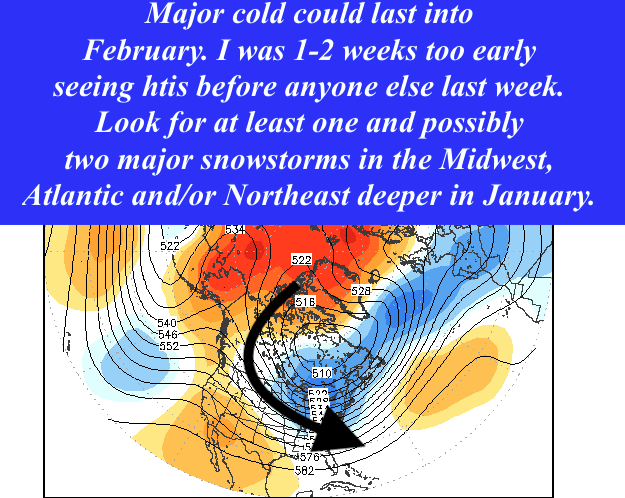

January 13th, 9 am EST
In this report:
USDA grain market shocker
Ideal South American crop weather: Why then, did I not recommend selling corn and soybeans?
What will get grain prices out of the doldrums?
Why was the BestWeather Spider potentially modestly bullish towards wheat for the first time in months?
WeatherWealth Trade Ideas (link at bottom of report)—Wheat and natural gas are a buy on breaks. Took huge profits long silver but still bullish longer term.
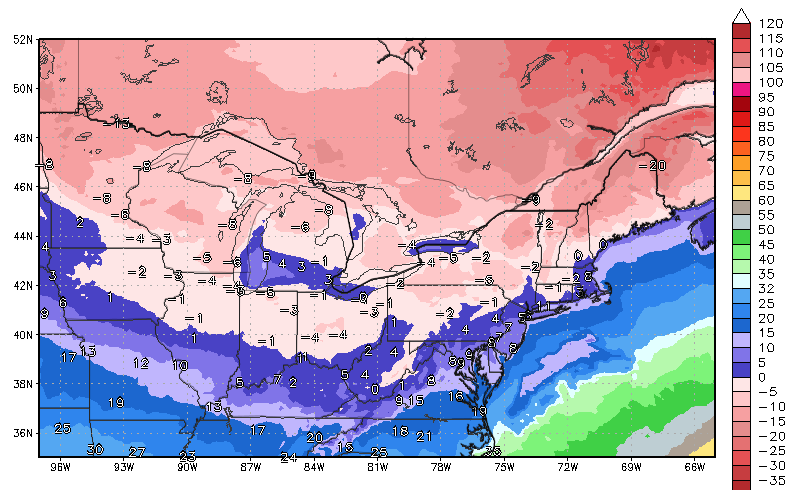
In the coming months, I will begin paying a bit more attention, not only to South American grain weather but what La Niña does and if there is a chance for a spring or summer drought for US wheat, corn, and/or soybean crops. There is a slight risk for warmer, drier weather for Argentina that may put a floor on corn prices. Demand is strong for corn.
COULD some of these drought areas in the US wheat or corn belt expand by the spring or summer? We discuss all of this for subscribers and longer-term trading and hedging strategies. Don’t be left out in the cold listening to advisors who have kept painting droughts and bull markets in grains the last few years. But could it happen in 2026?
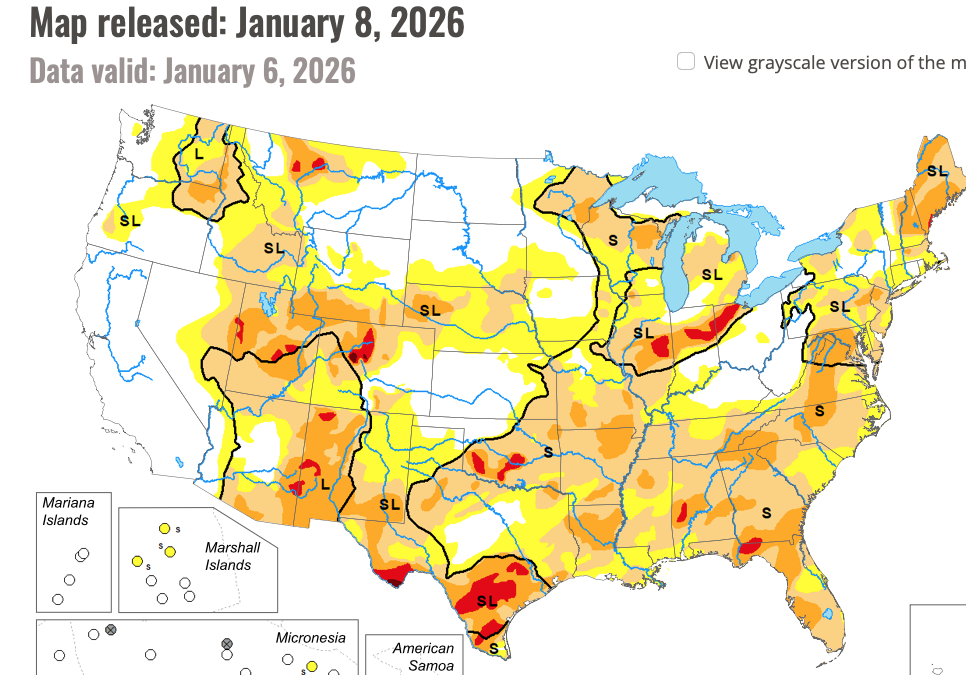
In addition, these cold temperatures in the U.S. soft red wheat areas later in January, combined with frost in Russia could offer a buy opportunity in wheat futures.
USDA grain market shocker
Even though corn and soybean yields came down slightly due to the dry late summer, I preached last April and May for another big US crop and a general bearish attitude.
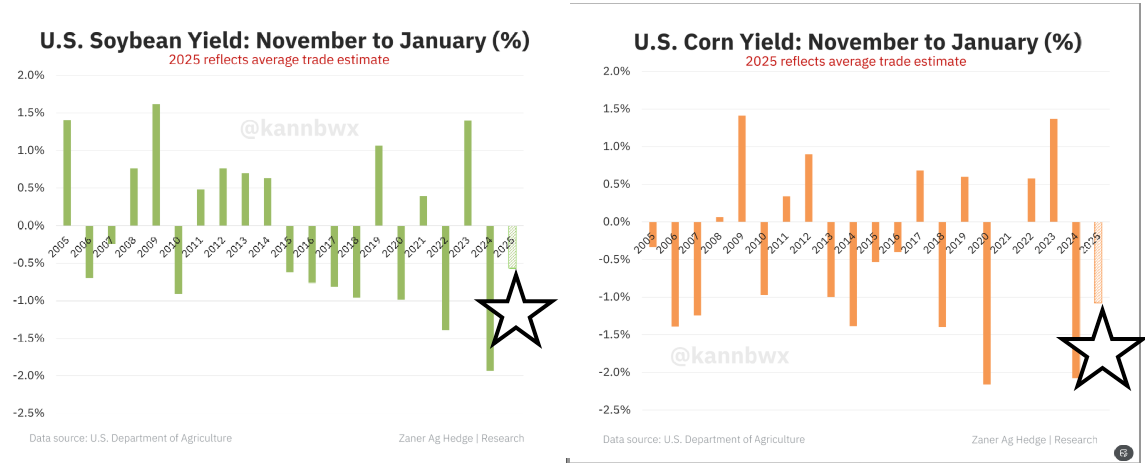
Unbelievable shocker in corn acreage: Goes to show you, trading USDA crop reports is futile and a waste of your money.
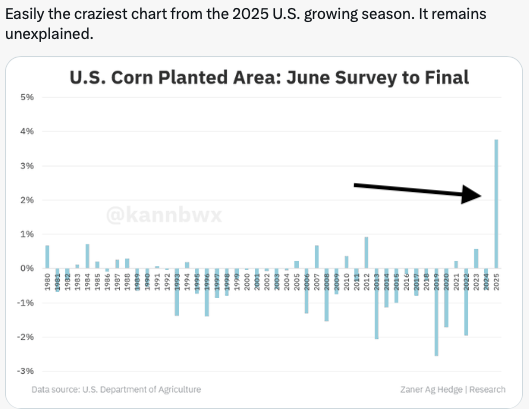
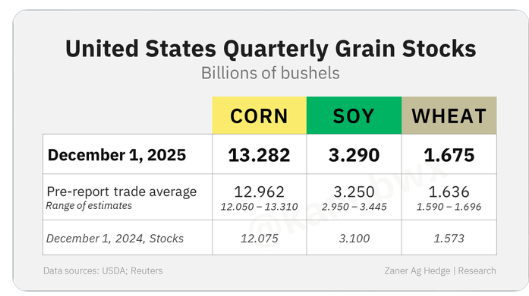
Look how much stocks swelled for all the grains. This is really nothing new. We need “major global weather-related crop problems and nothing else” to get these markets out of the doldrums.
South American production has been on the rise
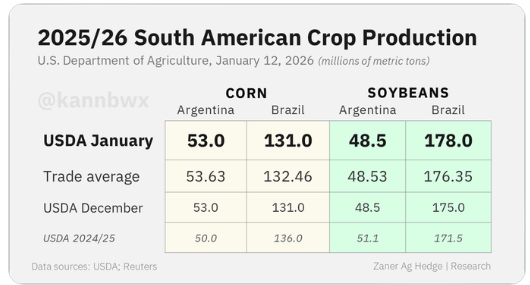
Ideal South American crop weather: Why then, did I not recommend selling corn and soybeans?
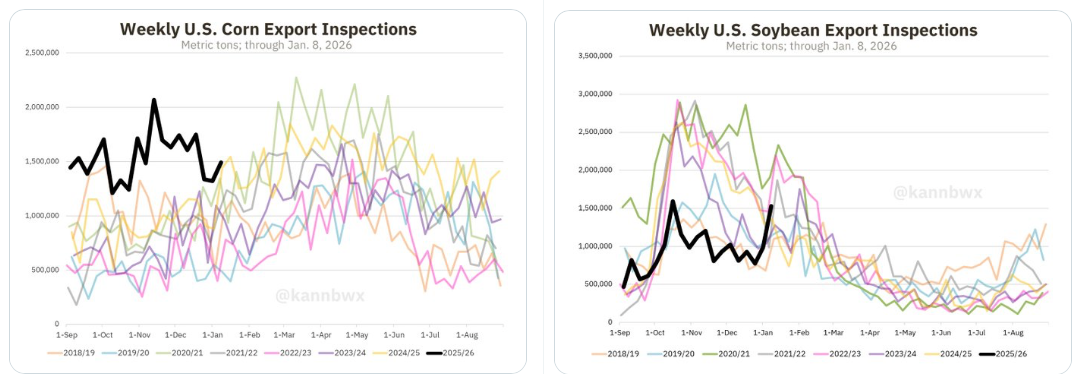
1) Strong exports: There has not been one week since late 2025 that corn exports were lower than the previous year. Given these low prices, stronger demand, in part due to the weaker dollar, is helping exports more.
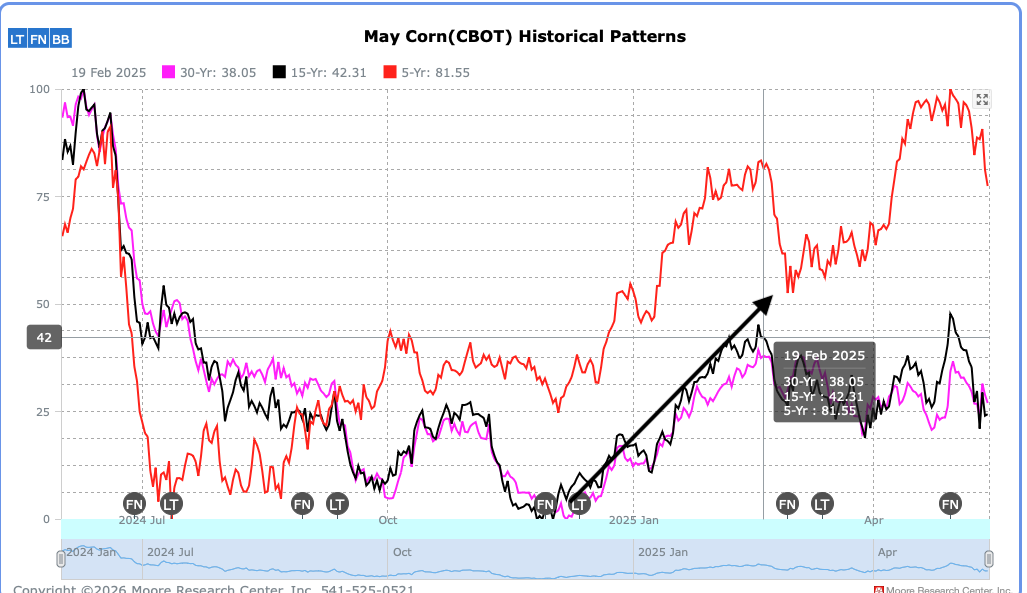
2) Seasonal factors: In 13 of the last 25 years, buying March soybeans in early January and selling them in mid-February has worked. In addition, notice the strong seasonal tendency for corn prices to go higher.

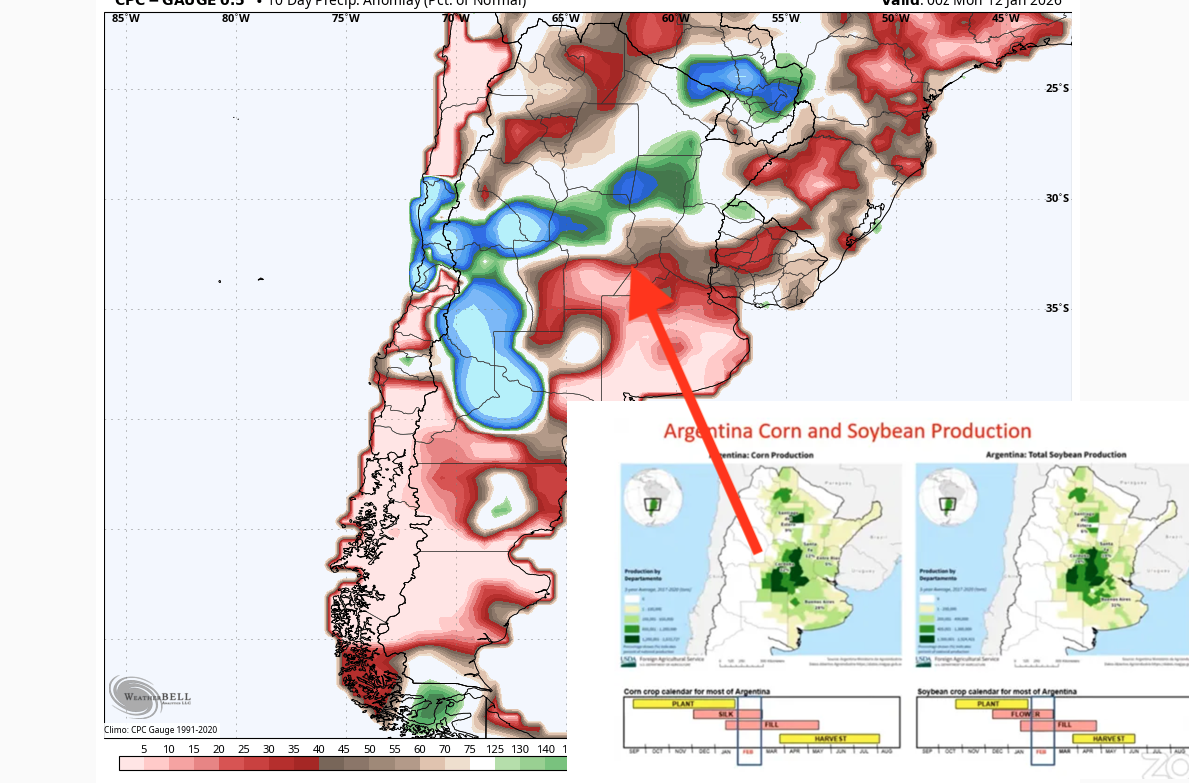
3) It’s beginning to get too dry for C/S Argentina for the corn crop. A La Niña signal?
Not a big problem yet, but if February is hot and dry, corn prices could rally. Especially given the good demand. Stay tuned.
Given that everyone was washed out long corn and demand is strong, I have no interest in recommending selling grains in the hole now.
What will get grain prices out of the doldrums?
For three consecutive US/Midwest summers, I painted a “mostly” ideal crop situation and bearish outlook for corn, soybeans, and wheat. While I have not always lent trading ideas and sometimes our advice was too short-term in nature, there have only been a couple of instances when my Weather Spiders were bullish.
So… what could help grain prices rally over the next few months?
1) Weaker US Dollar: A weaker dollar makes American exports cheaper for other countries, potentially increasing export volumes and prices in dollar terms.
Right now, the weaker dollar, as the world loses confidence in America, and interest rates have come down, have yet to help many commodities, including grains.
2) Lower Interest Rates: A significant decrease in US interest rates could devalue the dollar and encourage speculative investment in commodities, potentially leading to price gains.
We have inflation in this country (other than oil prices), so lower ratings much further may not be the best idea.
3) Reduced Acreage: A decrease in planted acreage for major crops in key production areas, which shortens overall production, can support higher prices.
Wheat acreage only came down slightly; not a big deal. We will have to wait until the spring to see what corn and soybean planted acreage will be in the US.

4) South American, Midwest, and/or European-Russian weather and crop problems: Right now, even with a weak La Niña, crop conditions are ideal
I will be discussing spring and summer US weather for the wheat, corn, and soybean market and coming up with studies over the next few months (stay tuned).
BOTTOM LINE: For three years, I have mostly touted big US and South American crops and a general bearish attitude. (See my report from Sunday night). Traders can look at all they want at seasonal tendencies, demand, the charts, etc. However, until we see major crop production problems that are weather related, I am reluctant to make any highly confident buy recommendations. There is a slight chance Argentina may turn hot and dry. This may take some of the bearishness out of the corn and soybean market later, but it is a big deal yet. I do believe there are some chances for La Niña weather-related crop problems for wheat. However, just like my being friendly with natural gas a week ago in the midst of a major price collapse and all forecasters going warm for the rest of January and are now wrong, it tends to be too early sometimes, and may also be with respect to the wheat market. Wheat could be the first grain that may have some bullish weather input, even though the charts look poor.
Why was my KC Wheat Spider potentially modestly bullish for the first time in months?
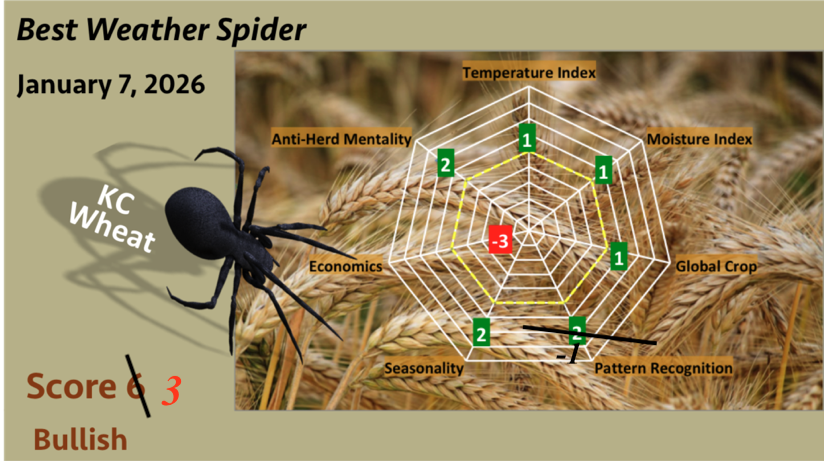
Notice my economic score has been very bearish wheat (-3), really for months. Even in the face of a weaker dollar. This was due to big global crops and poor demand. The chart pattern that looked a bit more bullish a week ago failed once again. Hence, the pattern recognition is neutral or slightly bearish (0 to -1, not +2). This means the wheat score is about a +3. The global crop score is leaning slightly bullish due to this possible freeze for Russian wheat later next week and dryness in the US Plains.
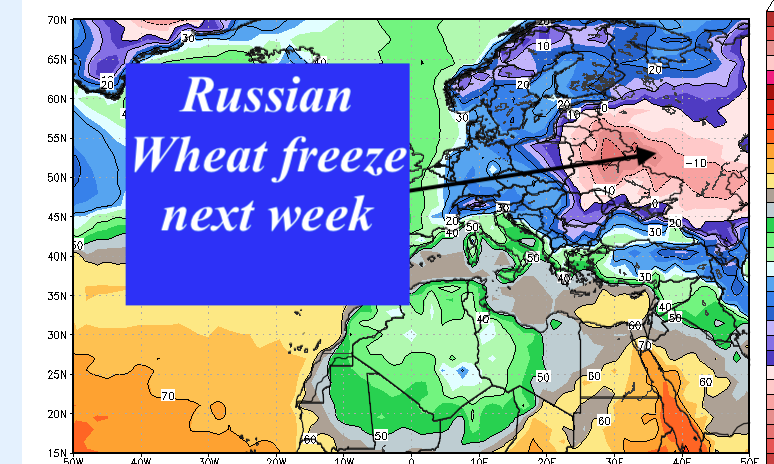
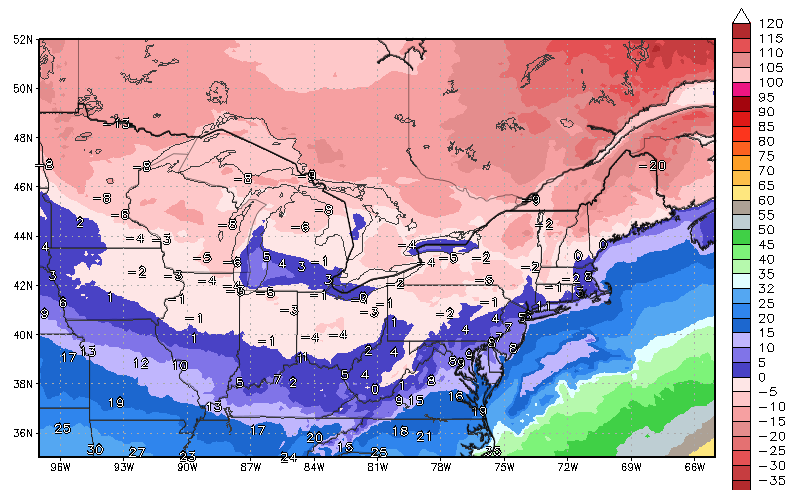
Too cold and dry for some key US wheat growing areas.
Again, I hate guessing on crop reports or responding to client questions about “what I think these reports will be!” They are often a crap shoot.

“Case in Point”: Wheat prices began reacting positively last week and early Monday to seasonal friendly factors, dryness in the Southern Plains, and some concerns about cold weather coming to Russia. Then the USDA report came out–typical!
WEATHER WEALTH TRADE IDEAS
I like long natural gas if a bearish EIA with short puts or BOIL ETF, possibly a buy soon in corn and may also July KC wheat, still long silver longer-term (home run) but have advised recently taking some profits off the table and short coffee call options longer term. I have also been bearish cocoa the last few weeks for a move to $4,500 by spring or summer.
Look for natural gas prices to rally next week as other forecasters have not been cold enough.
See my Weather Spider and recent trade ideas.