

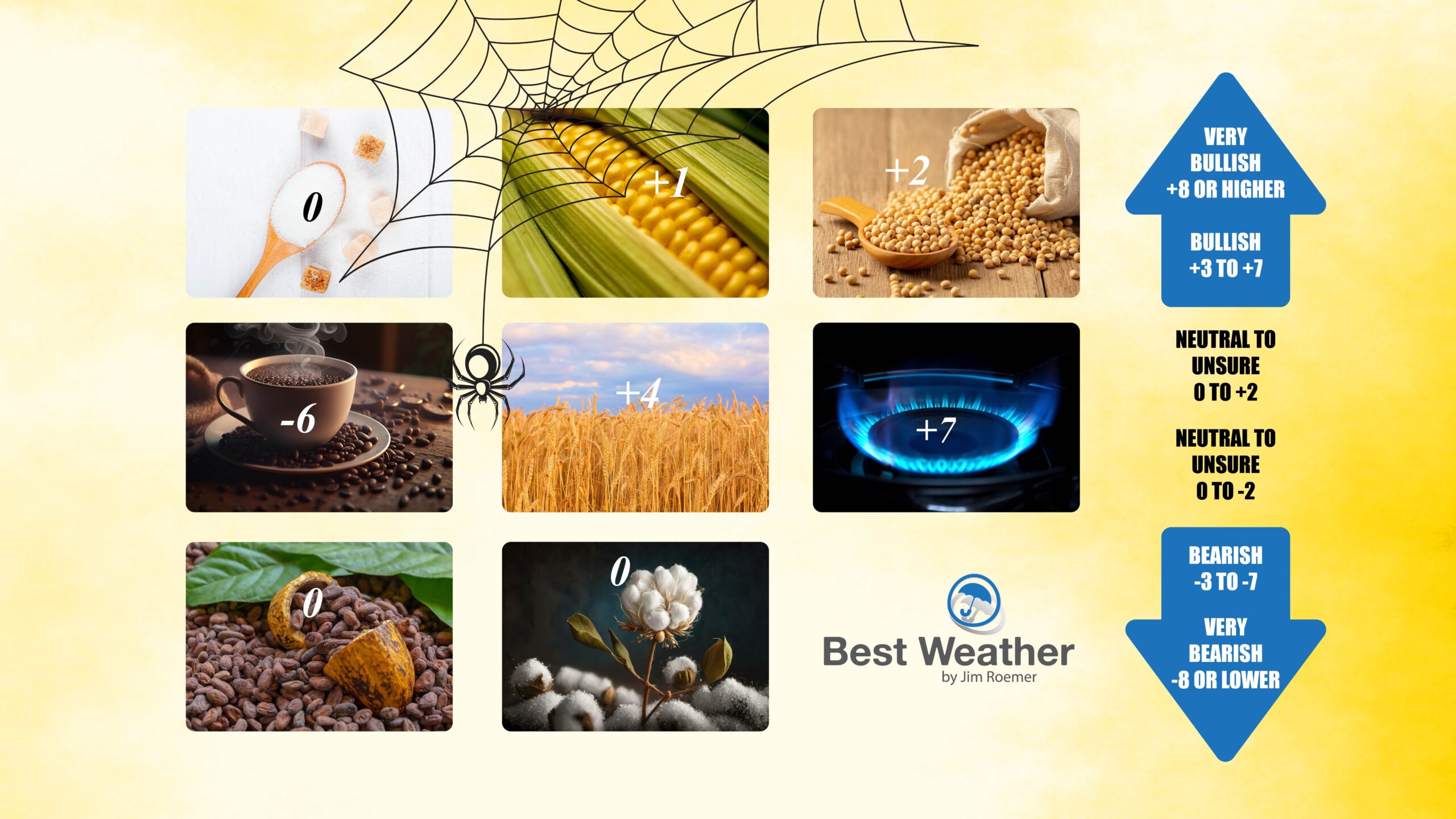
Due to more shut-downs of natural as wells in the Gulf, the natural gas spider is probably more bullish than this. Come Brazil coffee harvest time, unless I see a frost scare of wet weather, the coffee spider will become more bearish than this. The wheat spider may become more bullish come March-May if I think U.S. production may be hurt by drought (stay tuned)
A note to present clients:
Once every few months, I do a special WeatherWealth edition based on some of the most frequent questions from clients.
I am sending this report out much earlier than normal today because of this historic US winter storm and time constraints this coming week. I am not answering more questions until sometime in mid-February.
Please be respectful. Some of you are emailing me three to four times a month, and I CANNOT answer all of these questions. Remember, this is a very inexpensive service for what you are getting.
Surprisingly, in all the markets that are weather-related, from grains to coffee, cocoa, sugar, and natural gas, it has really been SILVER that has been the biggest, most consistent “trending” bullish market that I advised buying months ago.
Best trade ideas:
Short July $4.00 coffee call options from two months ago, which are now way ahead again. Otherwise, short July coffee futures are longer-term, but you have to risk 30 cents $10,000 a contract.
While advising taking big profits long silver of potentially 40-70% a few weeks ago, selling out of the money 2027, $60-$70 silver put options on any pullback. I think the ETF (SLV) will rally another 50% or more within a year or two, but again, we already had the move I expected.
Long July KC wheat and the ETF (WEAT) from one to two weeks ago (It may not be until spring here in the U.S., that weather is more of a factor in this market).
Long the natural gas ETF (BOIL) again last week. Also, recommended a new trade selling March $3.20 puts around 19-20 cents last Friday a.m. for a potential $1,900-$2,000 profit by expiration. Otherwise, a bit late now to get into natural gas if you are not in.
Client questions last two weeks:
“Mr. Roemer, which markets will be affected by this historic snowstorm and cold this week?“
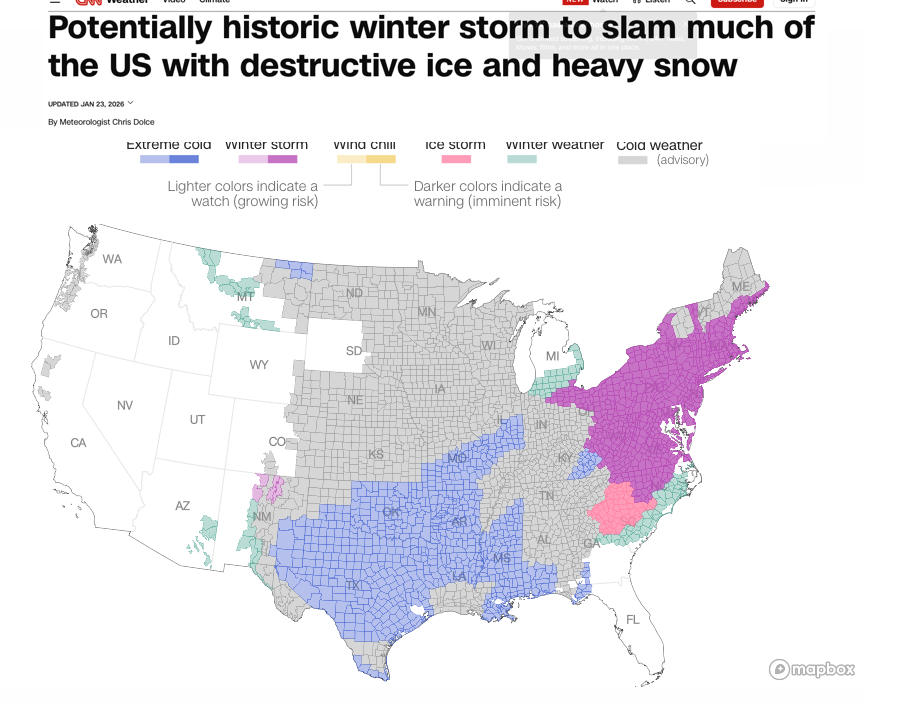
We are focusing on everything from OJ futures to wheat, corn, natural gas, and various heating oil spreads around the world. Some grain markets reacted positively, due to worries about ice jams along export channels in the Midwest and the wheat crop in the Plains. However, some important snows probably protected most wheat.
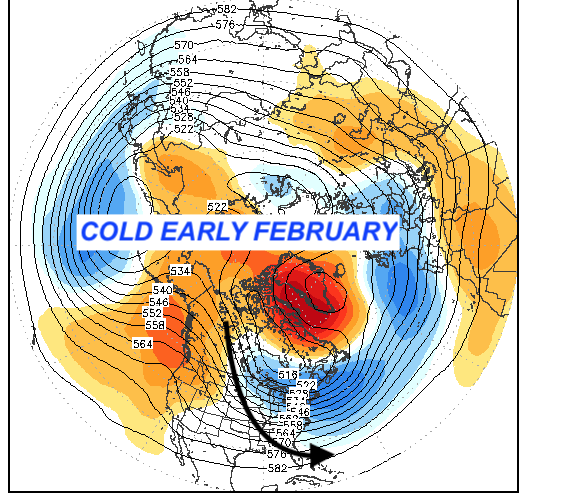
While natural gas prices have already rallied big time on this storm, and could sell off on profit-taking at some point. Some of this big rally has been built into the market (a little late to get in now). However, my prediction for a cold February following this storm should prevent March natural gas from falling 10-15%. That’s why I suggested selling put options again early last Friday.
There have been some big plays in various European natural gas and gasoil futures, as well as heating oil spreads vs crude and gasoline. However, due to a major hedge fund I advise in Europe, I am unable to give trading ideas in these markets.
“Jim, is it too late to get into the natural gas market? Great call!”
No, prices will go higher, but again, I hate recommending a market after everyone else is doing the same thing and others change their forecasts a week or two later.
As you know, the natural gas market has been the most volatile to trade, and unless you trade options or ETFs, very hard to trade futures.
We have had an incredible, and changeable, winter thus far: Cold in parts of December, record warm early January, and then the coldest mid-late January weather in 40 years.
I have had a few winning trades in this wild market, but you have to be quick and nimble. Over the last two to three months, it has been ETFs such as BOIL (an aggressive long natural gas strategy) and options that I have recommended trading.
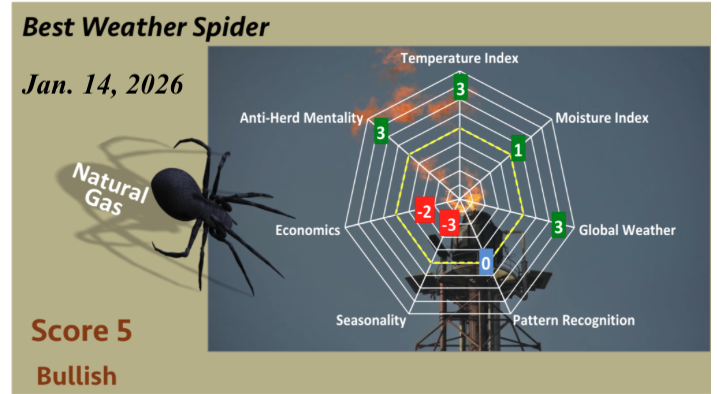
In the midst of a major crash in natural gas two weeks ago, on the warm early January and bearish EIA numbers, my Spider became bullish. I anticipated this major cold weather and polar vortex very early. The pattern recognition became much more bullish last week (+2) as all the shorts were forced out. Finally, the bearish economic score (-2) in early January was due to warm weather and bearish EIAs I predicted. That score is now bullish (+2) due to wells freezing. The bottom line is, this would make the Spider a very bullish (+8 to +11). Though again, I hate recommending a market after the face, and after we rallied so much.
I do look for cold weather to return in February, not just these extreme temperatures this week, which I saw nearly three weeks ago. With that said, any break in the market is probably a buy, but I feel safest suggesting selling out-of-the-money March natural gas puts last week and a light long position in the ETF (BOIL).
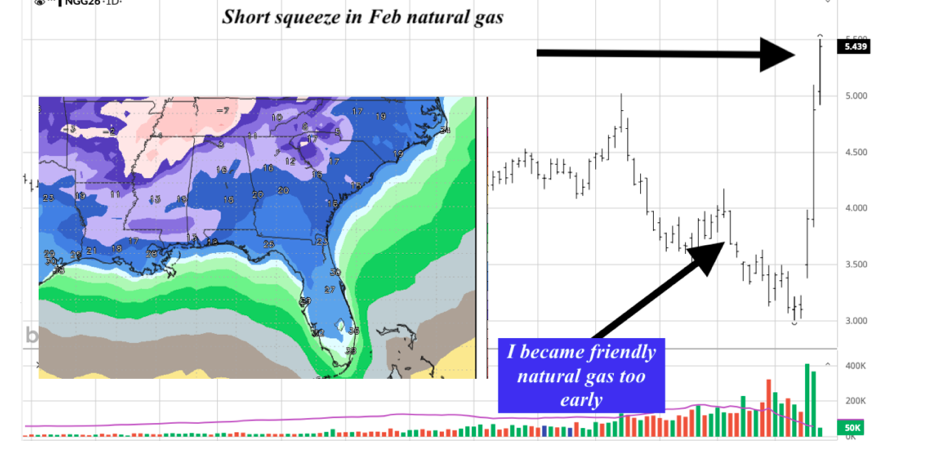
These temperatures in early February could result in a squeeze situation again in the nearby Feb. natural gas contract. I should have recommended buying February call options when I saw this polar vortex some two weeks earlier than all meteorologists. I did not, that would have yielded an incredible 10x one’s money given the $2.00 price move in natural gas last week.
Hence, being long in some fashion, March natural gas, short puts, or long BOIL make sense.
“I didn’t understand what you were saying. How would I put 3.20 February put if BOIL (natural gas ETF) is around $27. If you could explain how to read what you mean and how to know where to go invest because I don’t think it was boil and I wouldn’t know where to find what you mean. If you meant to go to Feb and choose the $3.20 premium like on Webull, I’m not so sure that would be worth it to me, risking $2500+.”

The above question is verbatim what the subscriber wrote…
When I said “sell puts,” I was not referring to selling puts in the ETF (BOIL) but to the actual futures market.
At the time of my report last Friday morning, March natural gas was a little lower. It was really the February contract that went off the board this week, which was screaming higher due to a major near-term squeeze situation from wells freezing in the Gulf.
The March put option has three weeks of time value left. I mentioned selling the $3.20 put around 20 cents last Friday. That means, as long as March futures do not close below $3.00 later in March, you do not lose. If we close above $3.20, then a trader would make $2,000 a contract.
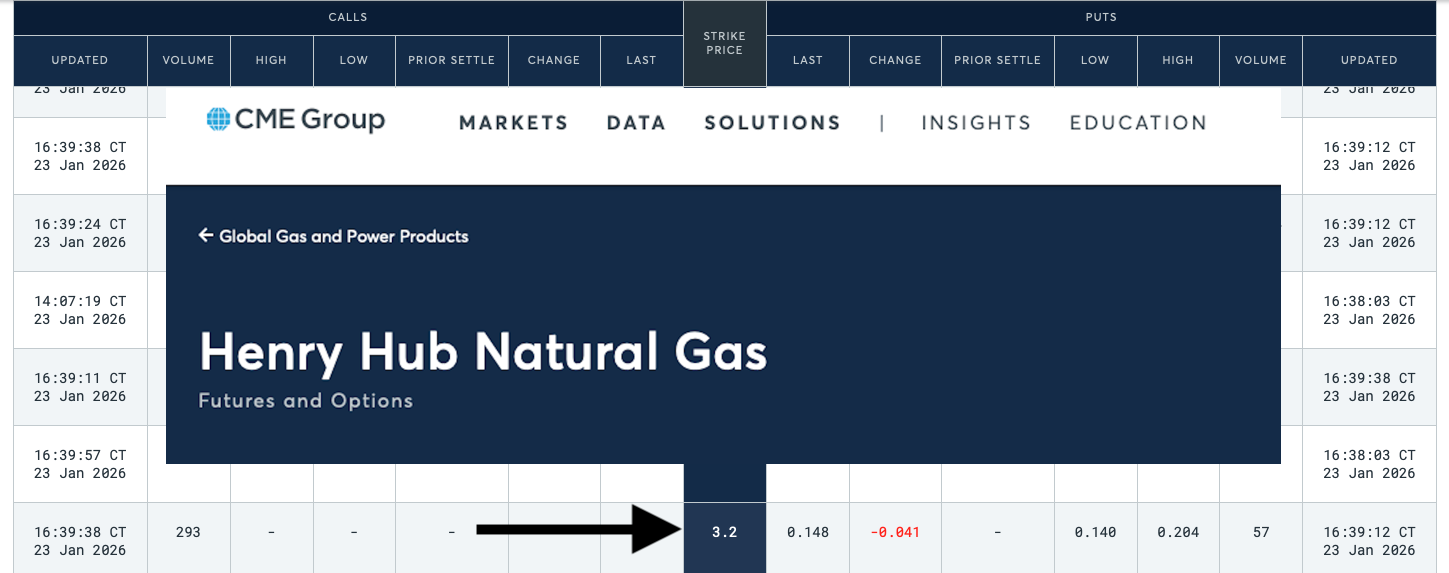
You can see that when natural gas prices rallied later Friday, the put fell to 14.8 cents (.148). This means anyone who saw my report early Friday and sold it made about $520 so far (20 cents, the sell price – the present value of 14.8 cents).
I suggest going to the CME website here to see options.
Anyway, to open a futures account, you really need at least $10,000 to invest. If you are trading stocks (ETFs), you can trade the ETF (BOIL) from 7 am EST to 7 pm EST. The great thing about futures rather than ETFs is that you can trade them 24/7; but NOT ETFs, if something changes.
Anyway, yes, I do like the ETF (BOIL) at least into early February as I see several bullish EIAs coming and colder weather to last into at least early February. However, given the market has already rallied so much, I would not recommend buying a huge rally if you are not already long from my recent advice. The major record cold weather and nearby price squeeze will end in about a week, so I am not sure if there may be a bit of profit taking, there may be.
Here is a YouTube video about selling puts in natural gas. It is a bit complicated so please do a bit more research. This is an old video and not current, but it still gives you an idea.
Luke, “may the force be with you.” Good luck. I did not make myself clear since you are a new customer. Most of my clients understand trading futures and trading call or put options on a platform such as QST, CQG, etc.
“Mr. Roemer, is it going to freeze in Florida?“
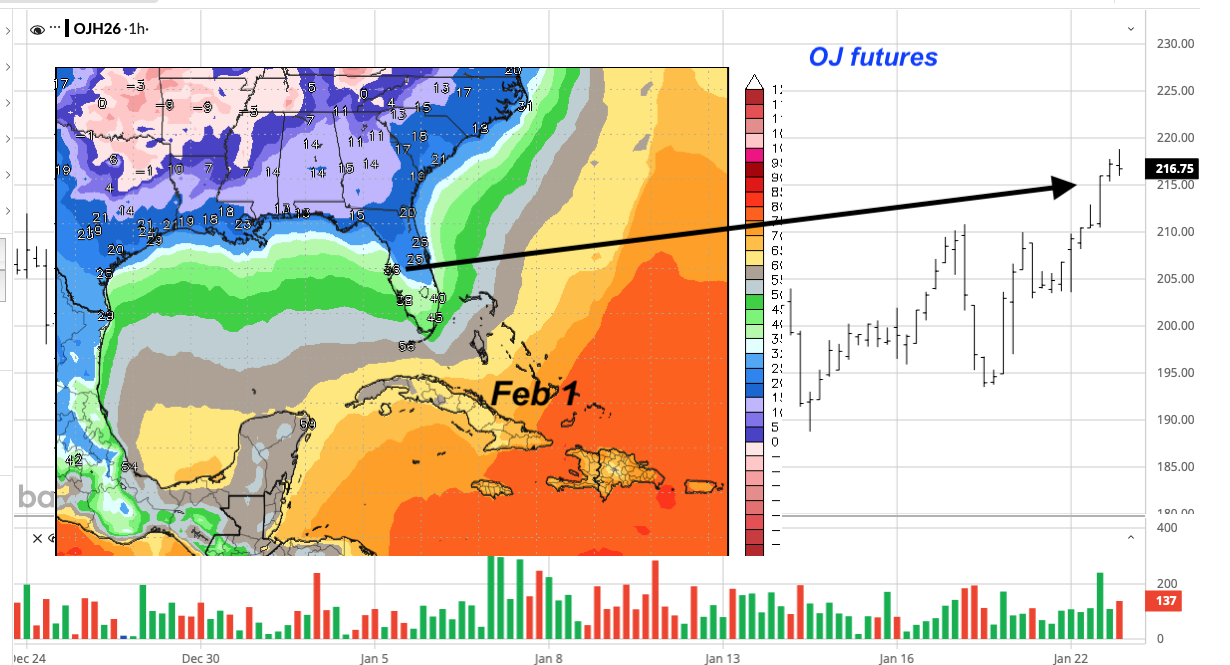
See what OJ prices did last week. However, there are very low orange crops in Florida due to citrus greening. The trees would only be affected if it gets below 22 degrees for several hours (1989, 1983, for example).
We also rallied due to a lower crop expectation for Brazil next season. This follows a massive 75% decline in OJ prices last year due to poor demand.
A month ago, I said OJ prices were a buy around $1.80. Unfortunately, prices have already soared. Hence, it may be a bit too late to buy the market unless temperatures fall below 25 degrees or more. Expect wild, volatile price action the next couple of weeks, but I am unable to give short-term day-to-day trading advice in this very thin market.
“Do you see anything bullish in the weather for corn and soybeans in South America?”
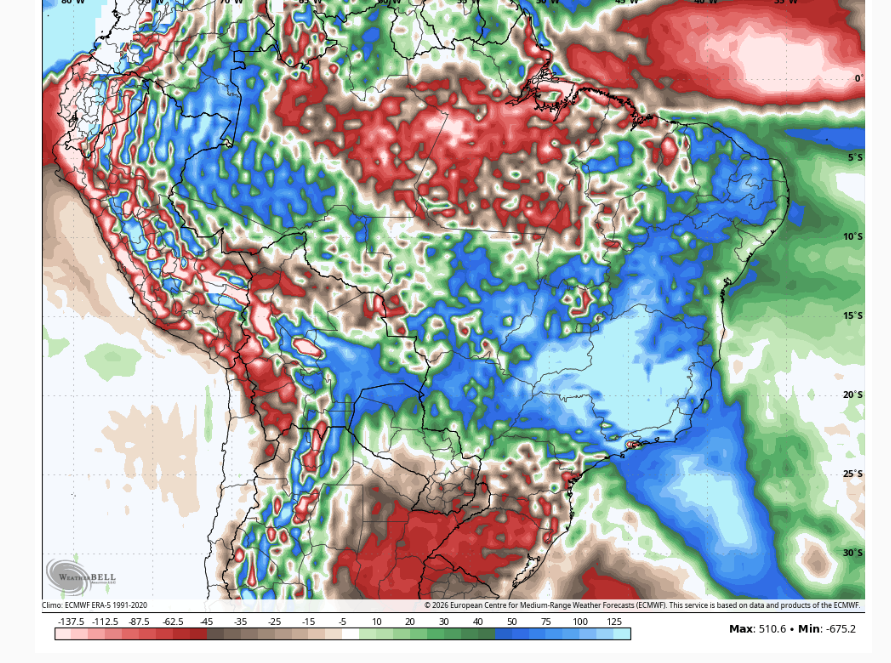
It is getting a bit dry in over 30% of Argentina. Due to this, a big short position following a very bearish USDA report a few weeks ago, plus cold Midwest weather, prices bottomed last week.
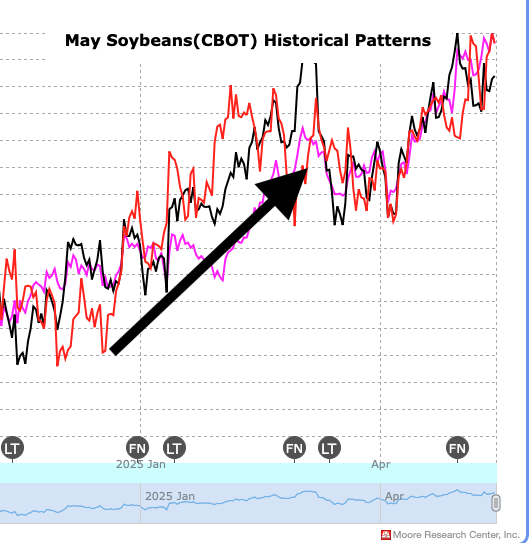
I am not completely sure about corn and soybeans, but seasonally, prices go higher.
Rainfall to be below normal next few weeks in Argentina (red), but beneficial for coffee in northern Brazil.
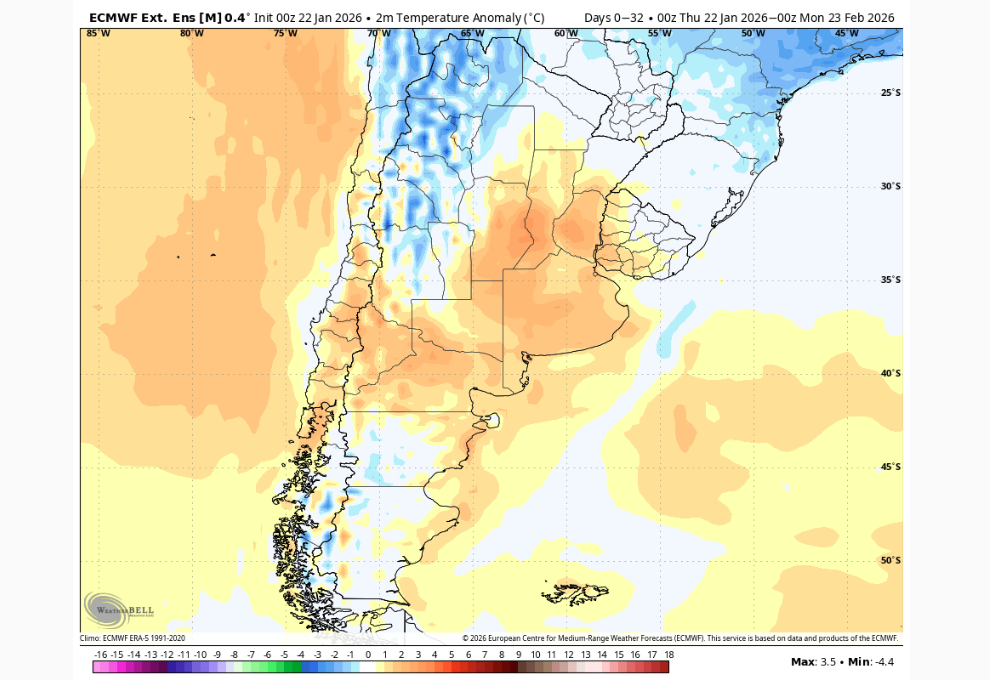
Temperatures in the next couple of weeks will be above normal in Argentina (orange) and below normal in northern Brazil (blue).
“I am a new subscriber from France. What have been your latest best calls in the market?”
Again, other than my bullish silver prediction nine months ago, natural gas was probably my best call in months (see the polar vortex I predicted three weeks ago). Being short on coffee call options, the longer term was another one. The next one may be bullish wheat.
“Jim, you have been very helpful to me over the years. I am a farmer in New South Wales, Australia, and rely on your forecasts for growing canola and wheat, and when to hedge my crops. What’s the outlook for early planting in March and April? Thank You.”
I have had several questions from farmers and commodity traders in Australia. It has been getting a bit dry the last couple of months. This is highly unusual during a weak La Niña event when the Indian Ocean Dipole (IOD) was negative.
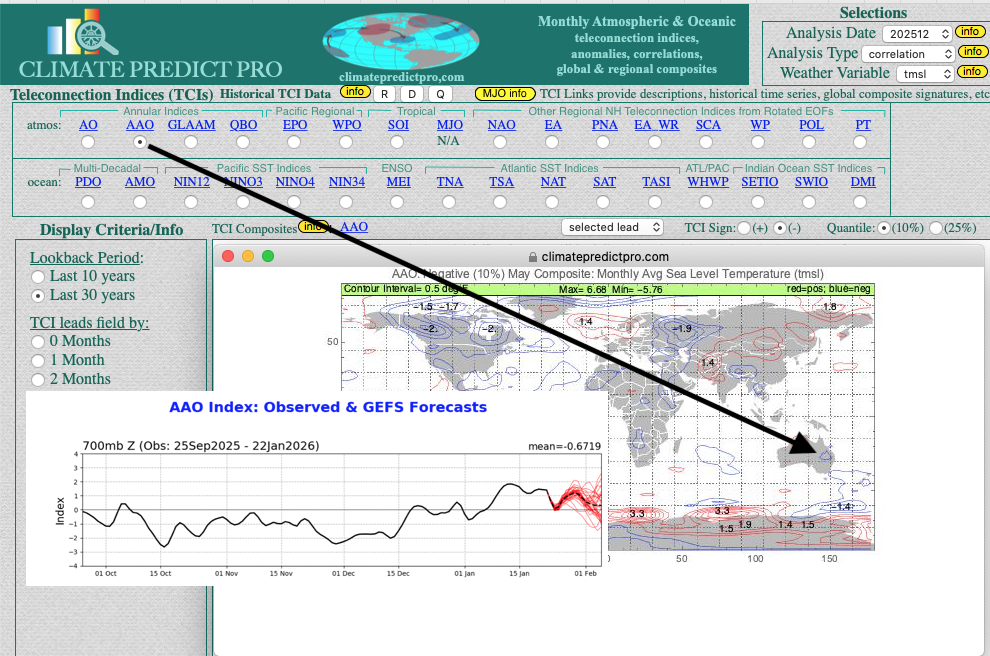
I think the main reason for the Aussie summer dryness was a consistent negative Antarctica Oscillation Index (warm block). Notice the historic rainfall trends in Australia with a negative AAO.
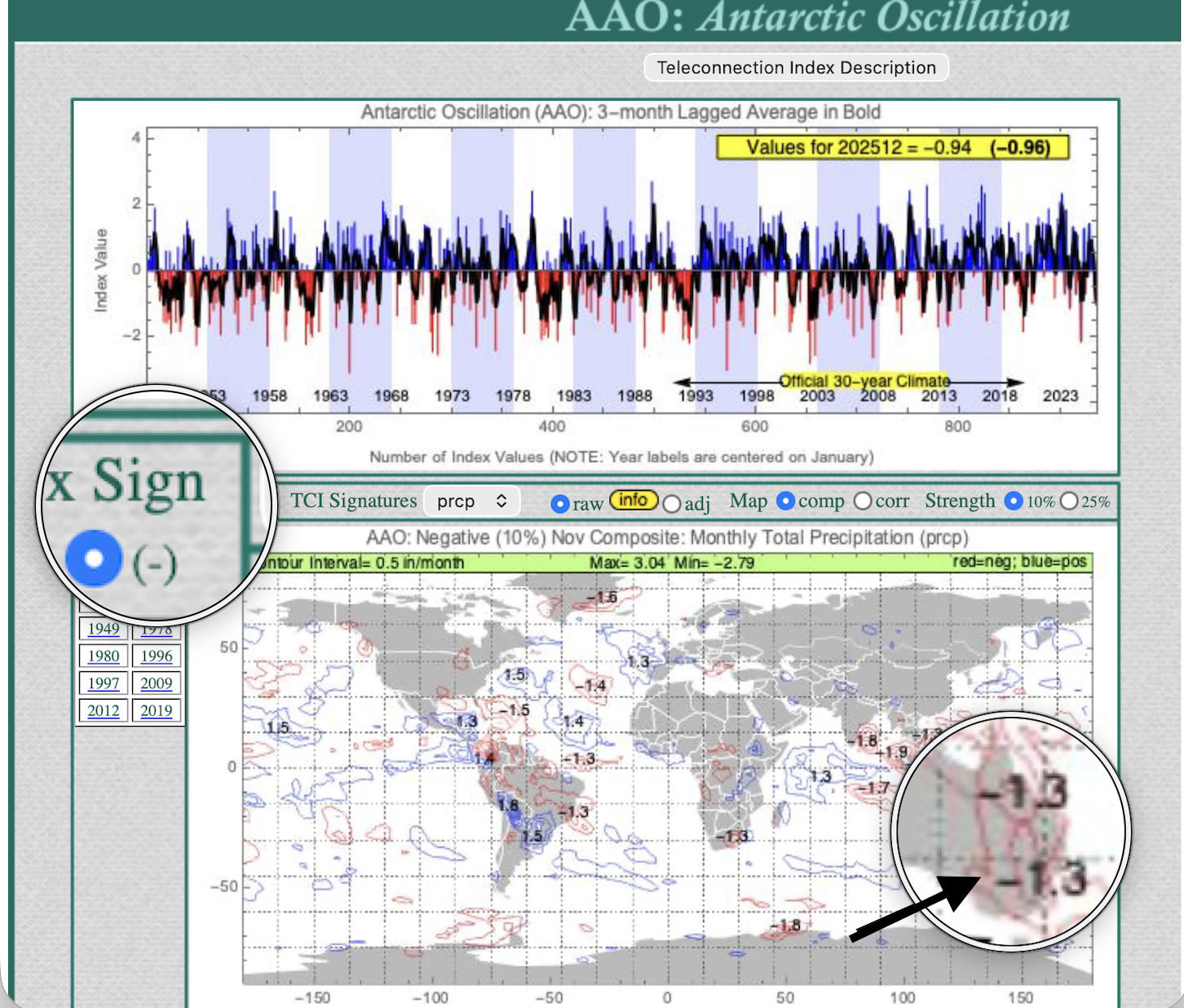
In 2025, the weak La Niña, coupled with the negative IOD, positive AAO index (cold vortex over Antarctica), brought the third or fourth best crops in Australia in 10-15 years. Until recently, this was yet another bearish factor in the wheat market.
La Niña may be weakening, and the Indian Ocean Dipole may be more neutral.
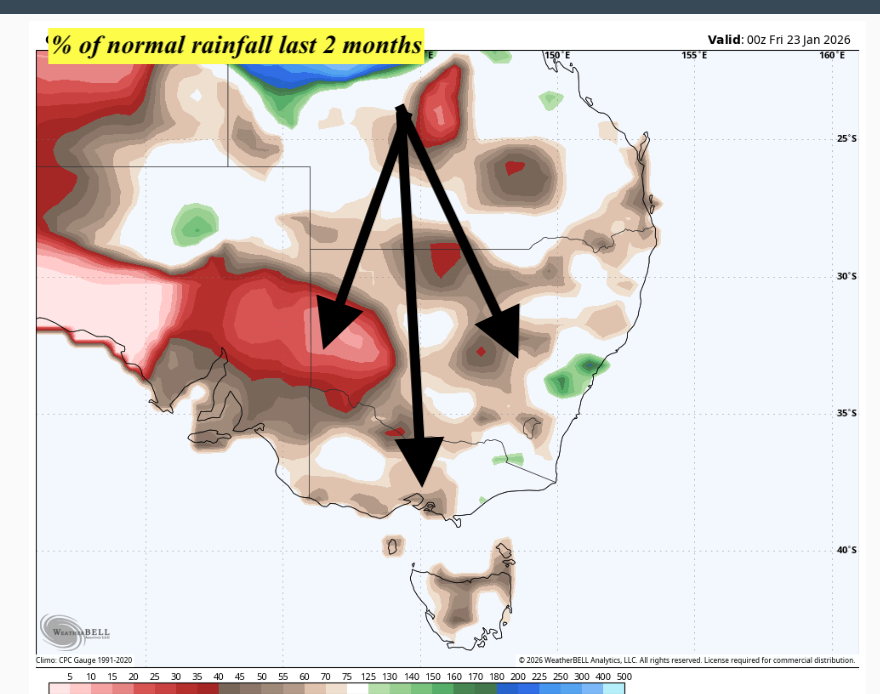
When dry conditions occur in eastern/southern Australia between November-January during neutral or weak La Niña events, the March-May period often sees a transition toward average or below-average rainfall rather than a sharp wet reversal to wet.
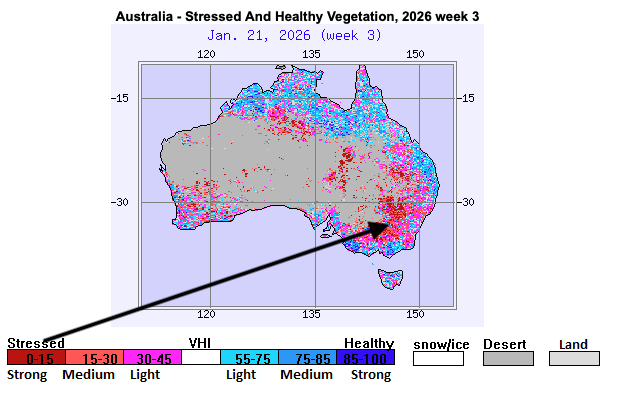
While La Niña typically increases rain, weak events (like today) may not override local dry drivers, leading to continued or erratic rainfall.
See the forecast produced by some models through February, projecting continued drier-than-normal weather (red).
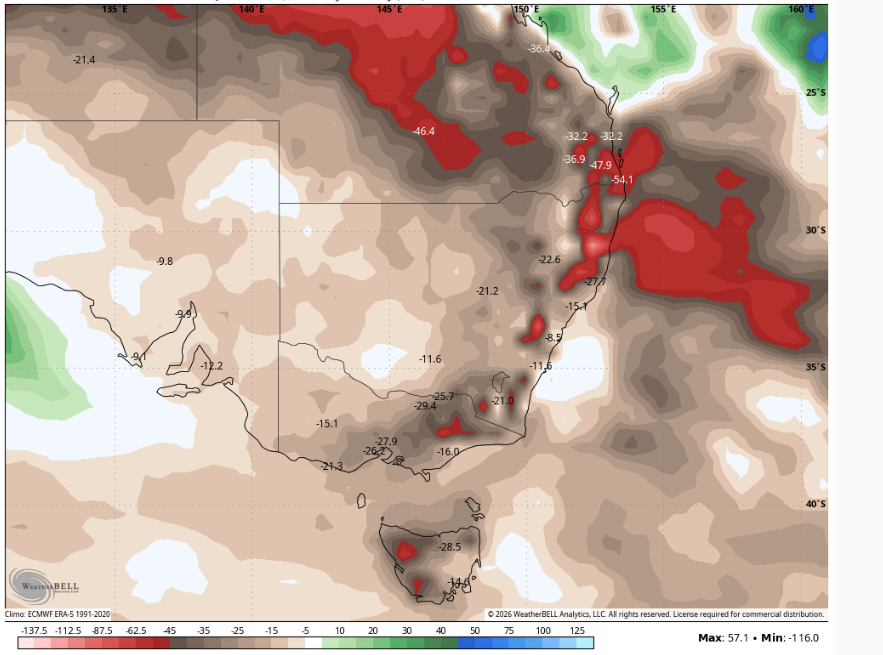
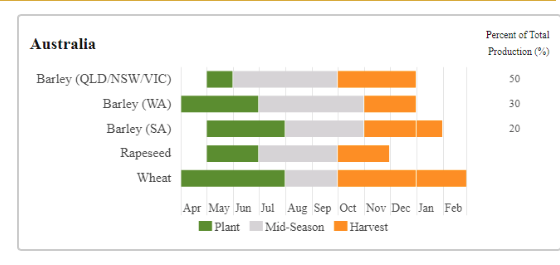
March forecast using teleconnections:
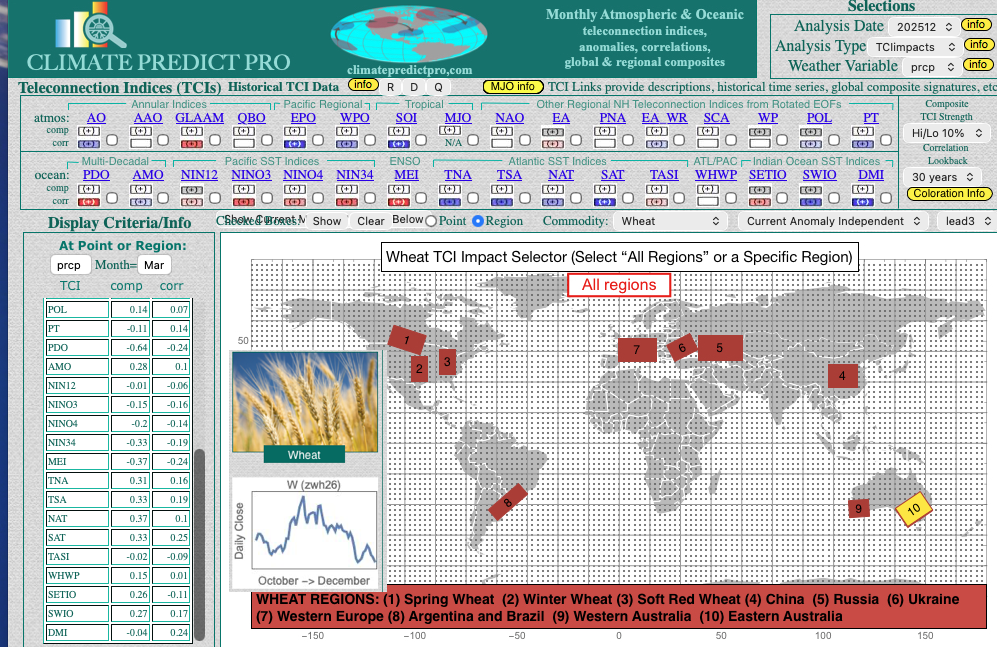
Ahead of planting, let’s look at my in-house program. Looking at a weak La Niña and the very negative AAO index back in November-December, the correlations are coming up for a potentially wetter (blue) scenario in March. Let’s keep our fingers crossed.
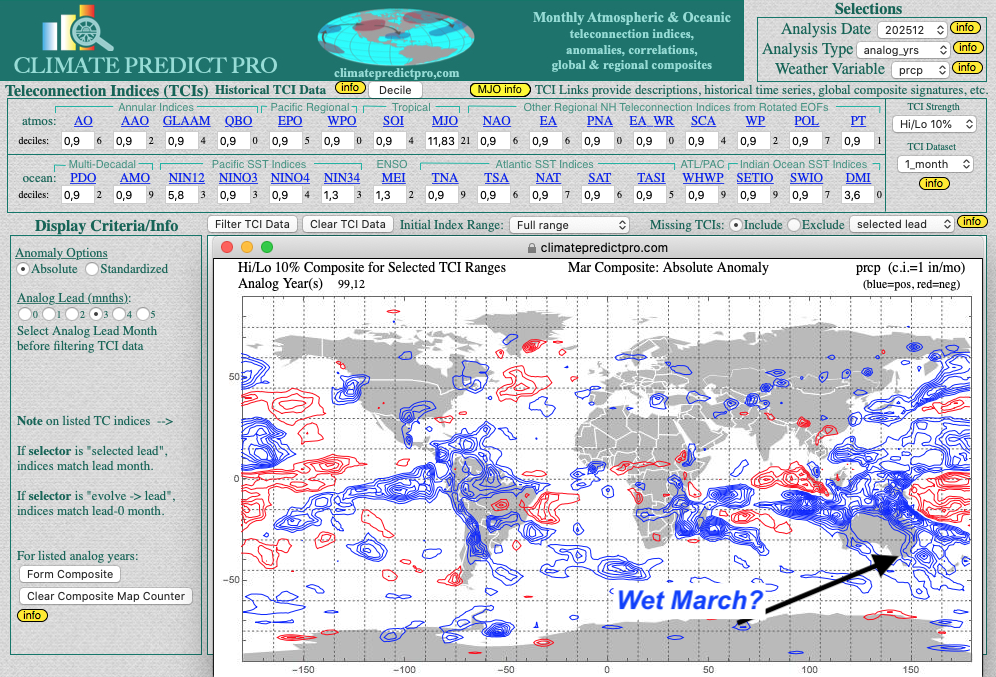
A negative AAO index in November-December is usually correlated with more normal to wet conditions by March (blue).
Anyway, in due time, I will dig in deeper for 2026 and whether El Niño will form later.
“Mr. Roemer, I just saw your trade in silver as I am a new subscriber. Should I wait for a break in the market or buy now?“
Silver has already reached my objective of $100. Absolutely incredible, and it is not even my FORTE: It’s not directly weather.
I think with the global green economy, AI, and global deficits, silver prices will go to $200 someday. Who knows when?
Longer-term if you are not worried about a 20-30% correction, yes, buy silver. Otherwise, selling a $60 silver put option 1-2 years out is an easy way to take advantage of a market with a high premium. You would own the ETF (SLV) only if it got below $60.

So, for example, if you have a trading account with Fidelity, Charles Schwab, etc., what you can do is get the privilege to trade options. I think there is very little chance we will see silver prices that low.
If SLV stays above your strike, you keep the premium. If it dips and you get assigned, you buy at the strike level, effectively at a discount because you collected premium up front. Owning silver at $50 is a gift if it ever drops that low.
“Will cocoa be a buy at some point?”
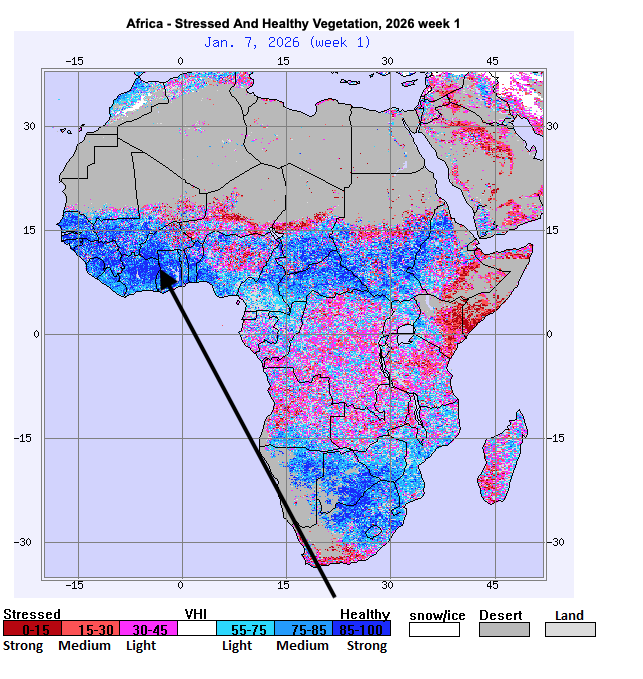
Well, it’s a shame because for the most part,” I have been bearish on cocoa for months, but I really did not recommend shorting it recently.
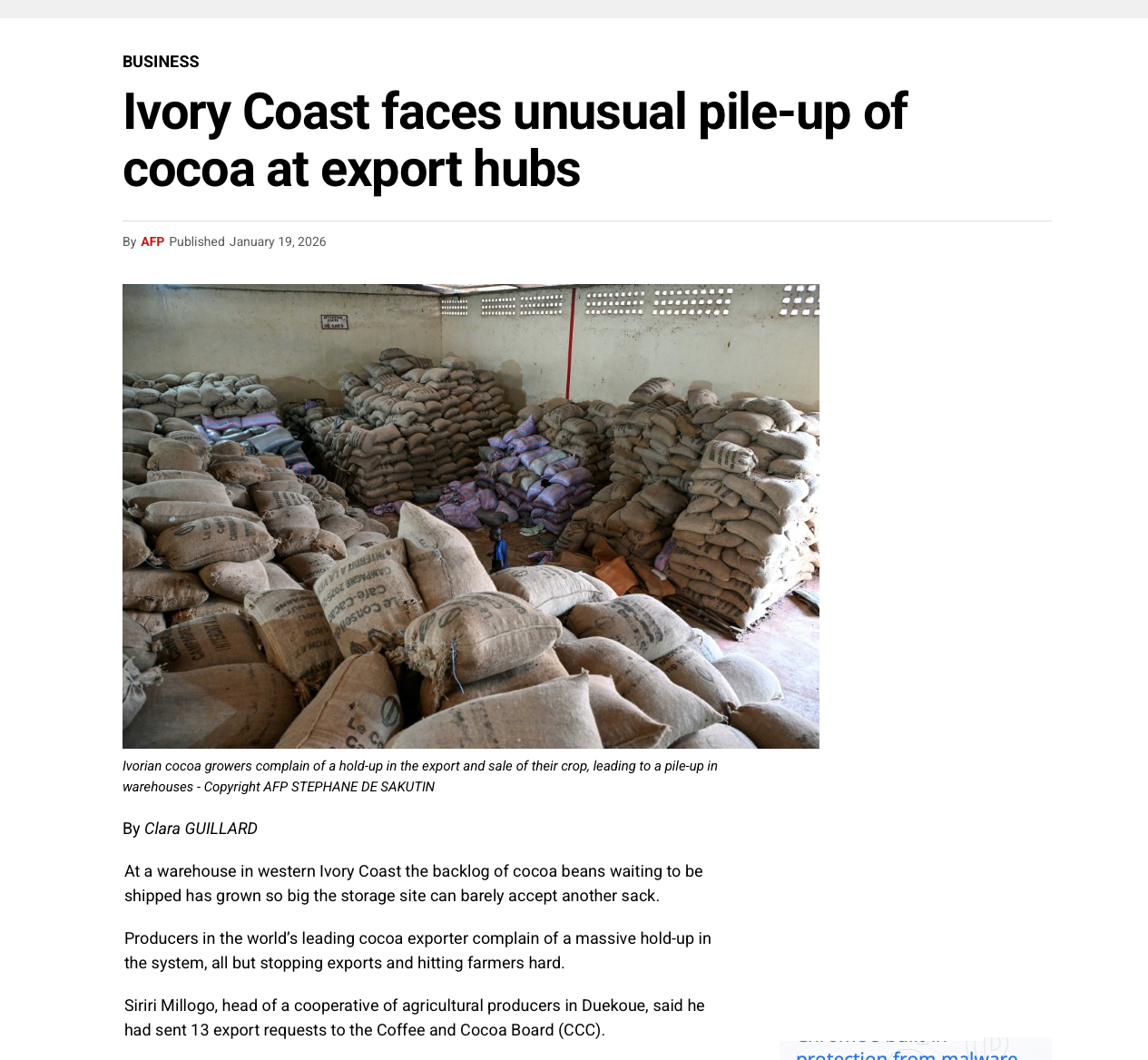
There is a ton of cocoa sitting in a warehouse ready to hit the market. This was a main impetus for prices falling even faster.
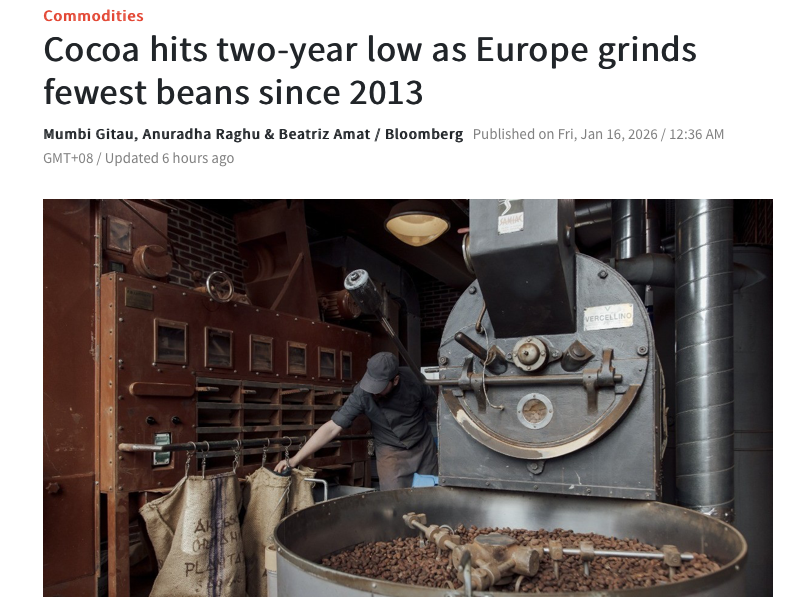
Nevertheless, an experienced trader should have been able to read between the lines that A) The charts have been firmly bearish; B) My forecast of a rebound in cocoa production and no Harmattan wind this winter. In addition, grind data came out surprisingly weak last week, even though we have had a 70% in cocoa prices over the last 6-10 months. Incredible!
I did mention at $6000-$6500 a few weeks ago that I thought prices would fall to $4500-$5000. It just did that in just two weeks!
Remember, in commodities: “Nothing is ever too cheap or too expensive. Just because a market appears oversold DOES NOT justify buying the market, other than maybe for a short-covering pop. Anyway, I did say that prices could be oversold and rally 10-15% over the next few weeks. But since global crops and weather have been bearish, I am not making any specific buy recommendation.
“Do you have a track record for all of your market calls?”
I advise a major hedge fund in Europe and have a very decent track record, but I am not allowed to disclose it.
As far as tracking specific trade recommendations in WeatherWealth over the years, I do not. Just follow the highest confidence trades, and you should do well, although past performance is no guarantee of future results.
“Mr. Roemer, I do not trade options in coffee as it seems too risky. I know you have been correct on this slow, grinding move down in prices. What do you recommend I do with coffee?“
Jerry, unfortunately, there are no coffee ETFs to trade. In addition, if you were trading futures last year, you’d be getting chopped up. Too many different fundamental factors every other day!!
However, since $4.00 last summer, I said I believe that NY Arabica coffee futures will fall to $3.00 come the Brazil harvest between May-July, unless there is a frost scare. I predicted mostly ideal weather for Brazilian coffee going into 2026.
If you want to sell July coffee futures, you would have to risk at least 20-30 cents (over $7,000 a contract from here). However, I think eventually you will make $10,000 a contract.
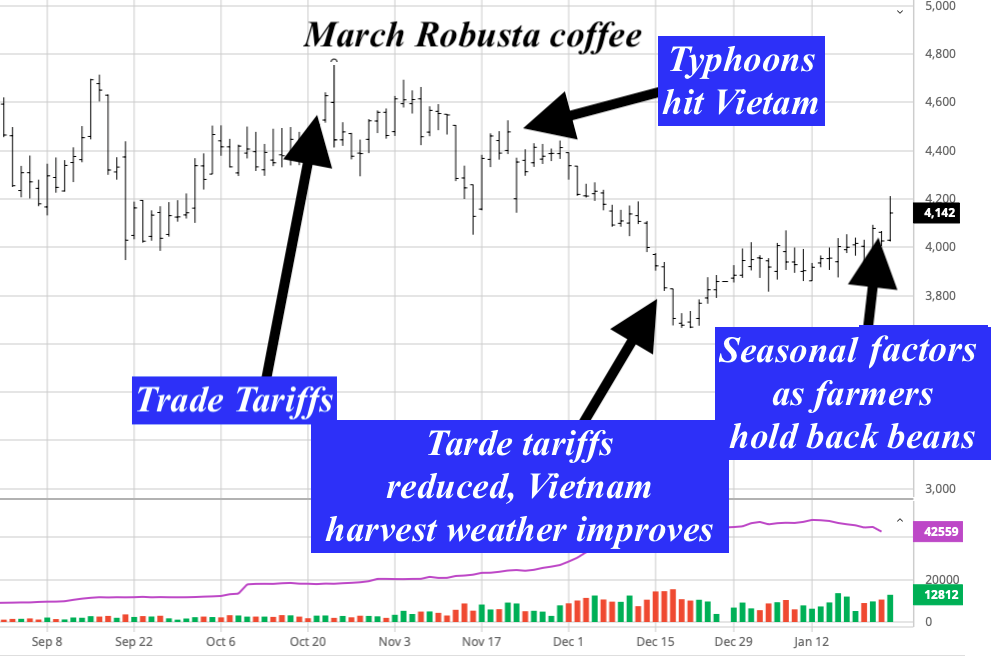
There have been too many fake sell-offs in coffee only to rally back on very tight nearby supplies, a rallying Brazilian Real, trade tariffs against Colombia, and bullish seasonal factors. Because of generally good Brazilian coffee weather and a big crop in Vietnam, prices have tried to sell off several times. However, farmers are holding back on selling beans out of Vietnam, and consumers are shifting to drink more lower-quality Robusta coffee. This and colder global weather helped prices rally back last week.
Hence, due to market volatility, selling call options has been my recommendation since August, yielding potential profitable results three consecutive times.
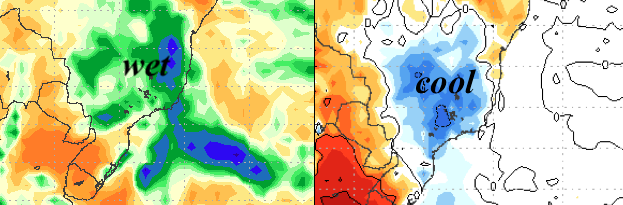
Cool and wet for Brazilian coffee into mid-February. Good news for filling cherries and consistent with my forecast four months ago.
” I bought some wheat two weeks ago when your weather spider went bullish for the first time. What is your longer-term view on wheat, and why have prices not reacted?“
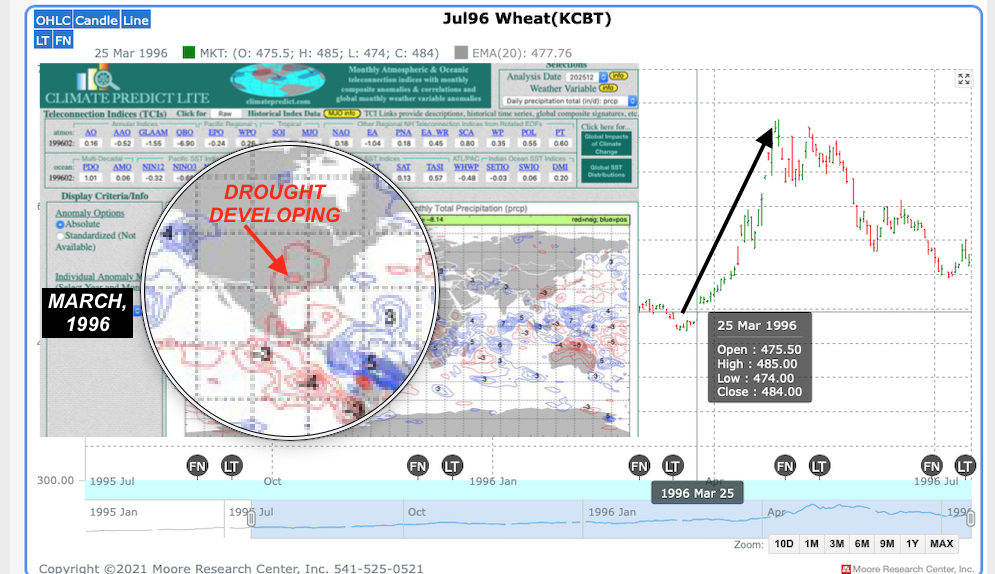
1996 may be one of my analog years. I am not sure yet. If so, dryness in the Plains could hurt the crop. Usually, the wheat market does not react until weather affects crops in the United States, Russia, and Europe after March and April.
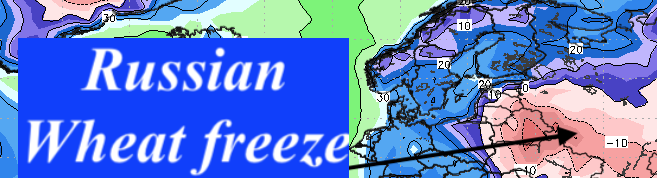
Anyway, demand is picking up a bit for wheat. There may have been some minor damage to the Russian wheat crop from a freeze, and concerns about the Kansas crop from dryness and cold.
Good snows early this week should protect most U.S. wheat; otherwise, I would be more bullish.
I like a long position in the ETF (WEAT), which I recommended two weeks ago, as well as KC wheat futures, which are now slightly ahead.
;
I will have a wheat study in the next week or so.
